
Neuroplasticity and Growth Mindset
31 January 2023
Neuroplasticity
Discuss how understanding the principles of neuroplasticity benefits people.
There are a number of ways the principle of neuroplasticity benefits people. One is personal growth and learning, as we grow we are constantly changing as people and learning new things. By understanding neuroplasticity you will know that at any point in your life you can learn something new. Your brain is not a fixed state, you can improve and change your way of thinking and your knowledge. You can teach an old dog new tricks!
A second way is in rehabilitation, knowing that your brain is malleable and can be rewired is helpful for people who have had strokes and may need their body to act in a different way from before. Therapists can focus on the one area of the brain that will help with rehabilitation.
Thirdly, knowing you can overcome challenges, knowing that you can build resilience and that by failing and making mistakes you are building pathways in your brain that will get stronger and stronger. Being ok with being in the learning pit, feeling the struggle and growing your neurons so you can come out the other side. Change is possible with effort, persistence, and the right interventions.
Discuss how you might engage with the principles of neuroplasticity for your benefit.
The way that I find myself engaging with neuroplasticity is reminding myself that if something is hard it won’t always be hard. If I keep working on it and practicing soon it will become another thing I do autonomously. I think I use it alot when I am stuck and making mistakes. I remind myself to take a break, use the resources around me and don’t be afraid to ask for help. Coming from a teaching background where we focus on growth mindset a lot, that ‘a ha’ moment when you finally get something is the best feeling, and even better if you have struggled along the way!
What are some of the ways to increase your neuroplasticity?
Some of the ways are:
Learning challenges- taking on new learning that will engage your brain such as reading, solving puzzles, learning a new language, or engaging in a new hobby like knitting, surfing. A hobby where you have to use a whole new skill set.
Mindfulness- it promotes structural change in the brain which is associated with emotional regulation and stress resilience.
Physical exercise- The research shows that by performing 30 minutes of exercise as day it increases production in the part of the brain which supports the growth and survival of neurons.
Socialising- By engaging in meaningful interactions we improve and maintain our neurons that focus on areas such as communication, empathy and emotions.
Lastly sleep!! Sleep is so essential for our brain. This is the time where our brain processes our memories, clears toxins and consolidates our memories.
Growth Mindset
Discuss what it is and why it is relevant.
Growth mindset is all about how you think about yourself and your attitude towards learning. It is how you view setbacks and failures and the approach you take towards challenges. It is also how you talk to yourself with that little inner voice. Growth mindset is relevant in everyday life but even more so when you are starting a new learning journey, the way you will face the challenges along the way, how will you respond to set-backs and feedback, your persistence and effort in achieving your goals. As a person supporting people with a growth mindset praising their effort, persistence and problem solving skills rather than how fast or how correct they were.
In this exploration, did anything surprise you? Change for you?
Not really as I have been teaching growth mindset and using it as part of my pedagogy for nearly 10 years. I love listening to Carol Dweck and I think it is such an important concept for everyone to know and understand so that they know that they are capable of anything.
How will you integrate growth mindset into your learning journey?
The biggest tool that I integrate into my own learning is ensuring I always say ‘yet’ to myself. I am also starting to use the tool of what is a different way I could approach this. I think for my growth though I am focusing on how I receive feedback and what I do with that feedback. I have always linked feedback to I have failed. This has been a big learning curve for me and feeling ok with knowing there is always room for improvement.
Link to a resource that you found particularly useful or engaging.
Carol Dweck- 'The Power of believing that you can improve' The Learning pit Accept the Growth Mindset and You'll Be Amazed at What you Accomplish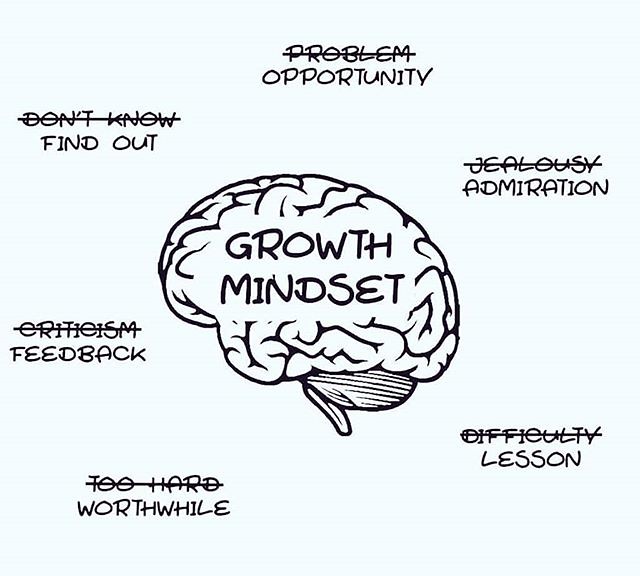
Blend with your learning plan and strategies
Reflect and discuss how these understandings may shape or influence your learning plan and strategy.
These understandings will shape my learning plan by looking at the tools around me, what can I do when I am in a pit and struggling. What can I use to help pull me out? Making sure I don’t let my fear of asking for help hinder my learning. Putting myself in my students shoes and taking my own advice on what being a learner looks like. Praising my effort and resilience rather than the ‘right’ answer!
As mentioned above, changing how I perceive and process feedback. I think this also has a lot to do with how the feedback is delivered as well, but making sure I personally am open and accepting but also knowing when and how to use that feedback.